Property investment in Ubud : why the landscape matters more
Ubud is becoming one of Bali’s most compelling areas for villa investment. Its strength lies not in volume, but in the lasting value of landscape, positioning and operations.
In this article
Ubud is often described as the cultural heart of Bali. For a property investor, that is not the most important observation. Ubud’s strength lies in the way landscape, experience and hospitality come together.
That makes the area increasingly relevant to investors who look beyond occupancy during a single strong season. The question is not simply where a villa is located. It is what kind of stay that location makes possible and whether that experience can remain distinctive over time.
Why Ubud is becoming more compelling for property investment
Ubud has a different investment profile from Bali’s coastal areas. It is less dependent on beaches and nightlife. Its appeal is built more around nature, culture, wellness, quiet and longer, more considered stays.
That distinction matters. A coastal property may compete primarily on beach access, convenience or price. In Ubud, the surroundings can become part of the product itself.
A villa surrounded by greenery, positioned for privacy or connected to the landscape does not sell only a night’s accommodation. It sells time, space and a particular pace of living. That can create a stronger basis than a property competing only with similar villas on price or proximity to a popular district.
This does not mean every property in Ubud is a sound investment. Micro-location remains decisive. A beautiful setting cannot compensate for difficult access, unclear permits, weak operations or an unrealistic financial model.
The landscape as an investment factor
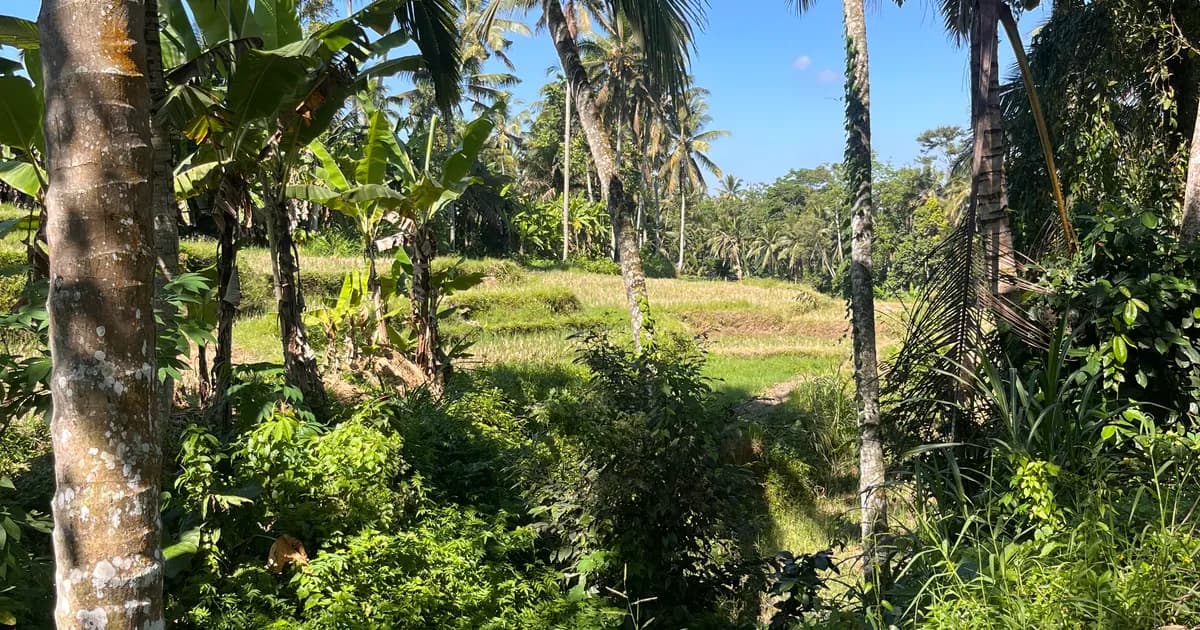
In Ubud, the landscape is not merely a backdrop. It influences the architecture, guest experience, privacy and operating model of a property.
A site beside rice fields, among tropical vegetation or shaped by natural elevation offers a different experience from a densely built location. But those qualities must be protected in practice. Access, views, surrounding development and the use of neighbouring land all deserve attention.
A property investment advisor therefore looks beyond the building itself. The relevant questions include:
- What will a guest actually see from the villa?
- Is that view protected in legal or practical terms?
- How accessible is the site in different weather conditions?
- Which services and amenities are realistically nearby?
- Is the scale of the project appropriate for its setting?
- Who is responsible for maintaining the landscape and shared facilities?
In Ubud, the landscape can be part of the return but only if it remains part of the operating experience.
Why Ubud can offer a more credible investment basis
“Trustworthy” does not mean risk-free or guaranteed. In property investment, it means that the opportunity can be understood, tested and modelled realistically.
Ubud can provide an interesting basis when three elements align. There must be a recognisable demand for the type of stay being offered. The location must give guests a clear reason to choose it. And the ownership, operations and cost structure must be transparent.
The final point separates an attractive destination from a sound investment. A compelling story about nature or wellness is not enough. An investor should be able to understand how revenue is generated, which costs are deducted, when payouts are made and who is responsible for daily management.
This is why Ubud has become more interesting to many investors lately: not because it is without risk, but because a well designed concept can be connected more clearly to its surroundings. The location can support the identity of the project. That is a stronger foundation than a generic villa offering.
Bali Basecamp Eco Resort Ubud as an example
Bali Basecamp Eco Resort Ubud can be considered an example of a project where the relationship between accommodation and landscape is central. Its positioning suggests a different logic from that of a standard holiday villa: the individual unit matters, but so do the surroundings and the way guests experience them.
For an investor, a concept like this should not be assessed on atmosphere alone. The analysis should begin with practical questions:
- What exactly are you acquiring: land, a right of use, a villa or an interest in an operating structure?
- What term and conditions apply to that right or operating arrangement?
- Which services are included in management?
- How are revenue, costs and any pay outs calculated?
- Which maintenance obligations remain with the owner?
- What happens if the operation ends or the agreement expires?
An ecological or landscape-led concept can be a strong form of positioning. It also requires discipline. Environmental management may involve specific requirements for construction, water, energy, maintenance and waste. Those elements should not exist only in the marketing narrative. They should also be reflected in the contracts, budget and operating agreements.
Bali Basecamp Eco Resort Ubud is therefore useful as an example of how to assess a project: not by looking at the villa in isolation, but at the complete system around it. Location, concept, management and legal structure should reinforce one another.
What this means for investing in Ubud
An investment in Ubud should not begin with the question of how much a villa might earn. It should begin with a more fundamental question: why would a guest choose this place, and will that reason remain credible over several years?
Then examine the relationship between landscape and operations. A quiet, green location may be highly attractive, but it may also involve higher maintenance costs or more complex access. A property close to amenities may be easier to operate, but less distinctive. The best choice is not necessarily the most remote site or the most luxurious villa.
Finally, have the legal structure, permits, operating agreement, costs and occupancy assumptions reviewed separately. Regulations and market conditions change. A model that looks reasonable today should remain understandable under more conservative assumptions.
Ubud deserves the serious Bali investor’s attention because landscape there is not simply background. It can be the foundation of the guest experience. That is precisely why the investment must be examined carefully. Discuss the complete model with your advisor before making a decision.
More articles
 Blog
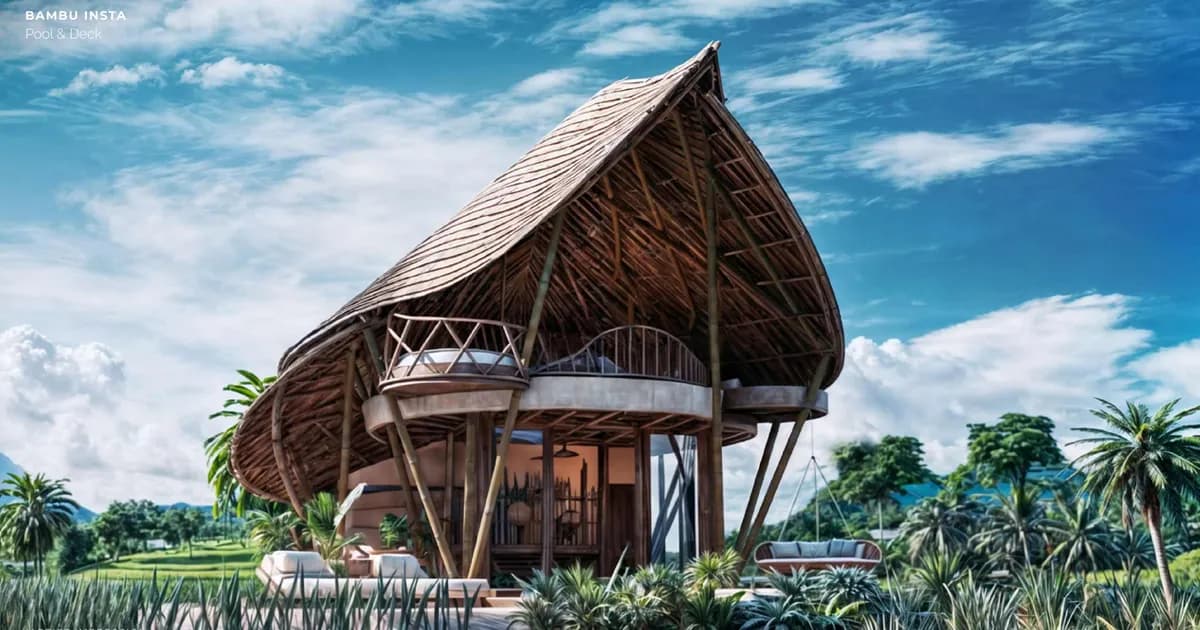
BlogLooking for a Bali Investment That Feels Like Home
What if your investment could also become a place to live, work, and reconnect with nature? Basecamp Bali brings sustainable design, wellness, and everyday living together near Ubud.
 Blog
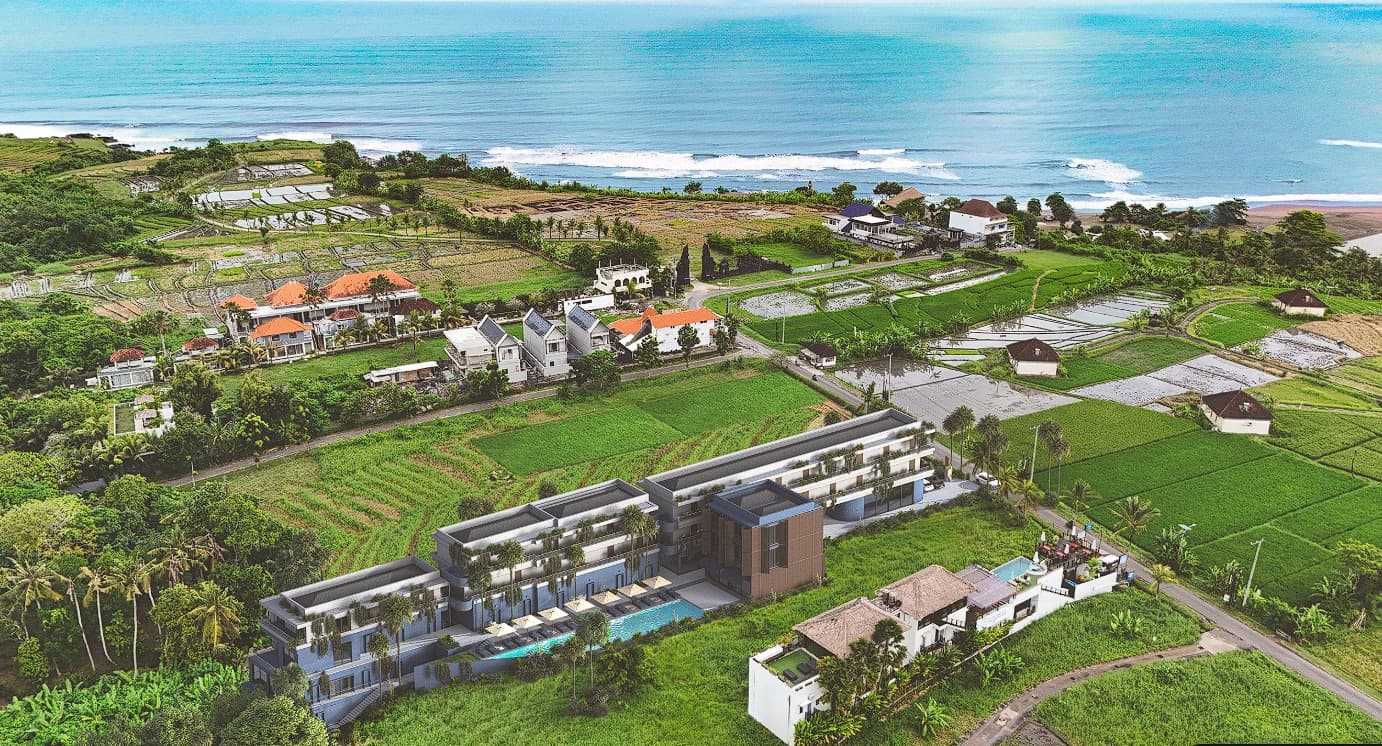
BlogBuying Land or Building in Bali: Which Creates Better Value?
Buying land or building a villa in Bali involves different costs, risks and value drivers. Compare cash flow, flexibility, depreciation and complexity before choosing.
 Blog
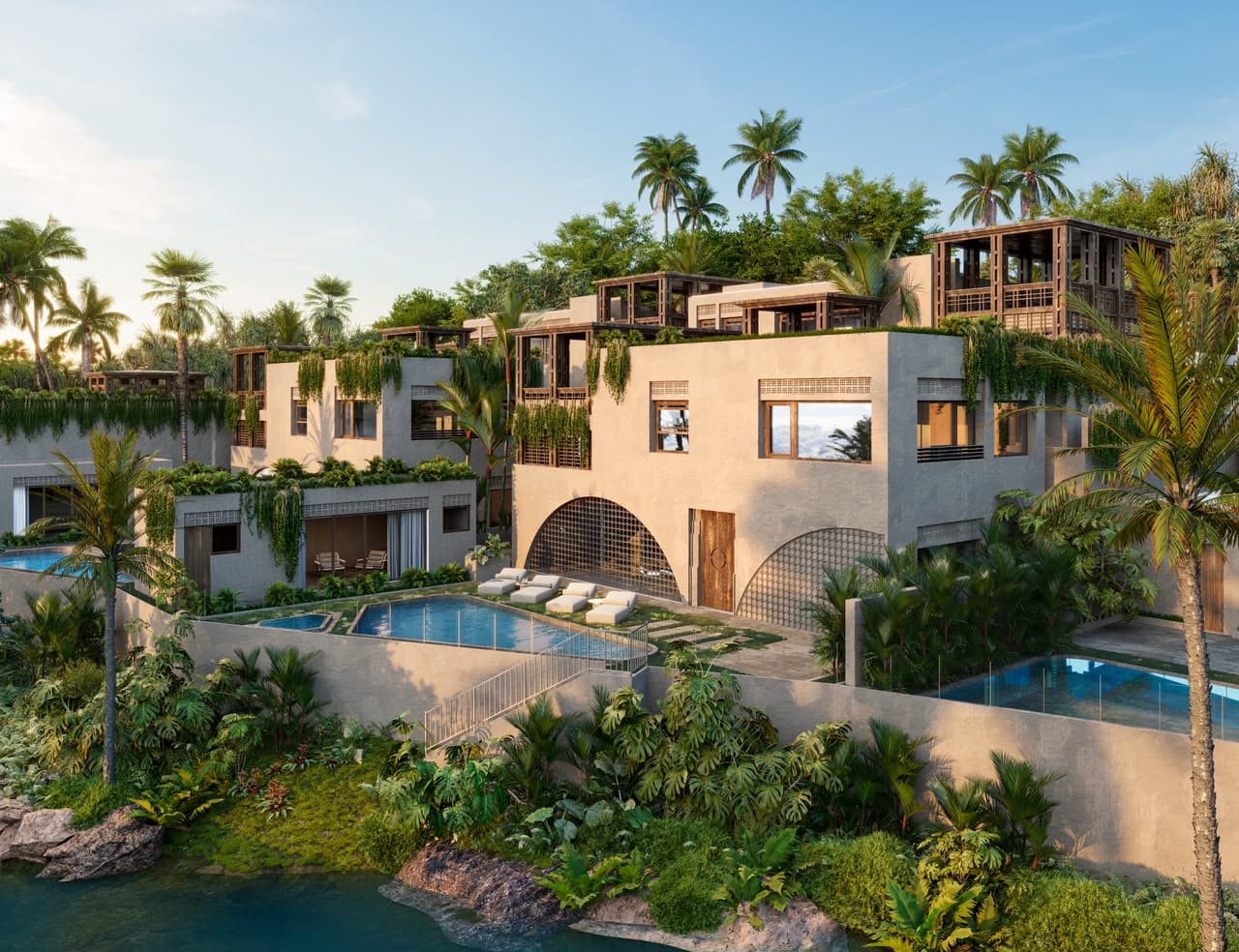
BlogWhat Are the Hidden Costs of Owning Property in Bali?
The purchase price of a Bali villa is only the beginning. Here are the recurring and future costs investors should include in a realistic ownership budget.
Rather talk through your plans in person?
Our team knows every project, every plot and every regulation. Ask your question — you'll hear back from an advisor, not a salesperson.
Get in touchor reach us on WhatsApp