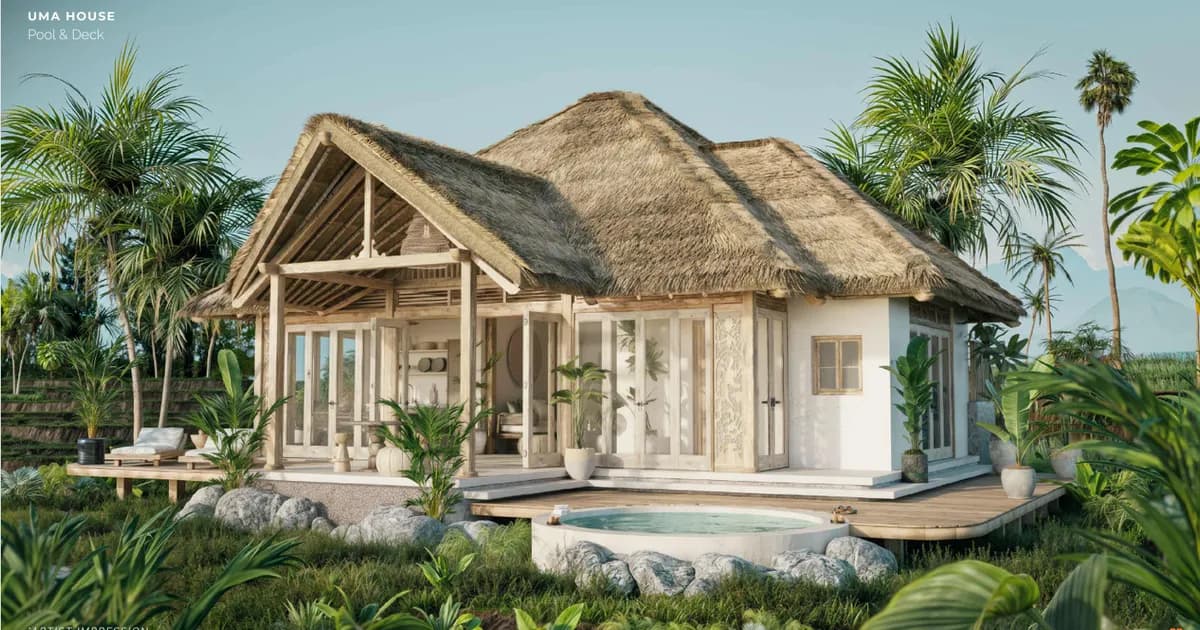
Local Building Materials in Bali: Quality Starts with Context
Local building materials in Bali offer more than a traditional look. With the right design and detailing, they can suit the island’s climate, maintenance needs and seismic conditions.
In this article
In Bali, construction quality is not determined by the material alone. It also depends on how that material responds to the climate, how it is installed and whether it can be maintained locally.
Materials used on the island for centuries can therefore have a serious role in modern villa construction. They are not a substitute for engineering. They are an additional set of options that can make a project more suited to its location.
Why local materials can be more favourable
Local materials can make construction more favourable in several ways. A material sourced within the region may require less long-distance transport. That can reduce dependence on imported products and make planning less vulnerable to transport and supply issues.
Local knowledge is equally important. Craftspeople who regularly work with local stone, brick, timber or bamboo often understand how those materials behave in practice. They know how to work with moisture, sunlight, ventilation and everyday wear. That knowledge can be valuable in details that appear simple on a drawing but determine how a building performs over time.
This does not mean local materials are always cheaper. A carefully selected material, specialist finish or additional treatment may cost more. The potential advantage usually comes from the combination of availability, local workmanship and repairability. That combination needs to be assessed for each project.
Traditional appearance is only one benefit
Bali’s architecture is often associated with natural stone, brick, timber and bamboo. These materials give a villa a strong sense of place. Their role, however, extends beyond appearance.
A material suited to the local environment can support a design that responds logically to heat, humidity and rainfall. Shade, cross-ventilation, drainage and the protection of vulnerable joints all matter. No material solves these issues on its own. The design and execution determine how well the complete building performs.
Timber and bamboo, for example, require careful protection from moisture, appropriate detailing and regular maintenance. Stone and brick also depend on the foundation, connections and surface treatment. The principle is consistent: a local material should be used in a way that respects its actual properties.
Local materials are not decoration. They are additional technical choices within the design.
Can local materials handle Bali’s climate?
They can, provided the design accounts for the conditions on the island. Bali experiences high humidity, strong sunlight, heavy rainfall and, in some locations, exposure to salt air. This makes detailing around water, ventilation and maintenance just as important as the choice of façade material.
A sound assessment therefore asks more than whether a material is local. It asks:
- How will the material be protected from prolonged moisture?
- Can rainwater drain away quickly?
- Are joints accessible for inspection and maintenance?
- Is the finish suitable for sunlight and humidity?
- Can the material be repaired locally if damage occurs?
These questions distinguish a material that merely looks appropriate from a material choice that may remain practical over the long term.
What about earthquakes?
In a seismic region, it is too simple to describe a material as safe or unsafe in isolation. A building’s earthquake performance depends on the entire structural system.
The foundations, load-bearing structure, connections, mass, geometry and execution quality all matter. A local material can form part of a building designed for seismic loads. The material itself, however, does not automatically make a structure earthquake-resistant.
That is why the project should be assessed by the appropriate technical specialists. Structural calculations, suitable detailing and construction supervision matter more than a general preference for traditional or modern materials. Connections deserve particular attention. A strong stone, timber column or bamboo element has limited value if its connection to the rest of the structure is inadequate.
Building rules and technical requirements can change. Have them checked by your architect, structural engineer and local adviser before making an investment decision.
Local and conventional materials are not opposites
Choosing between local and conventional materials is not an either-or decision. A villa can combine natural stone, timber or bamboo with concrete, steel, technical installations and modern waterproofing. This is not necessarily a compromise. It can be a more considered way to build.
Conventional materials remain important when they offer the best structural, technical or practical solution. Concrete may form part of the main structure while local stone or timber provides the visible finish. Modern systems can be integrated without removing the villa’s regional character.
The more useful question is not, “Should we build traditionally or conventionally?” It is, “Which combination is most appropriate for this site, this design, the maintenance plan and the intended use?”
What this means for an investment
For an investor, construction quality is more than the appearance at handover. The relevant question is how the material choices affect maintenance, repairs, availability and use throughout the operating period.
Do not ask only which materials will be used. Ask also:
- Where are they sourced?
- Who installs and checks them?
- What structural or finishing role do they serve?
- How are moisture and water managed?
- Which elements require periodic maintenance?
- Can repairs be carried out locally?
- Which technical documents and inspections are available?
Local building materials can enrich the quality of a Bali villa when they are selected deliberately and applied correctly. They can connect a project to the island, offer practical advantages and work within a modern structure designed for its climate and seismic context.
That does not diminish the value of conventional materials. The strongest projects do not choose sides. They select the most responsible solution for each part of the building. Discuss that assessment with your architect, structural engineer and real-estate investment adviser before evaluating a project.
More articles
 Blog
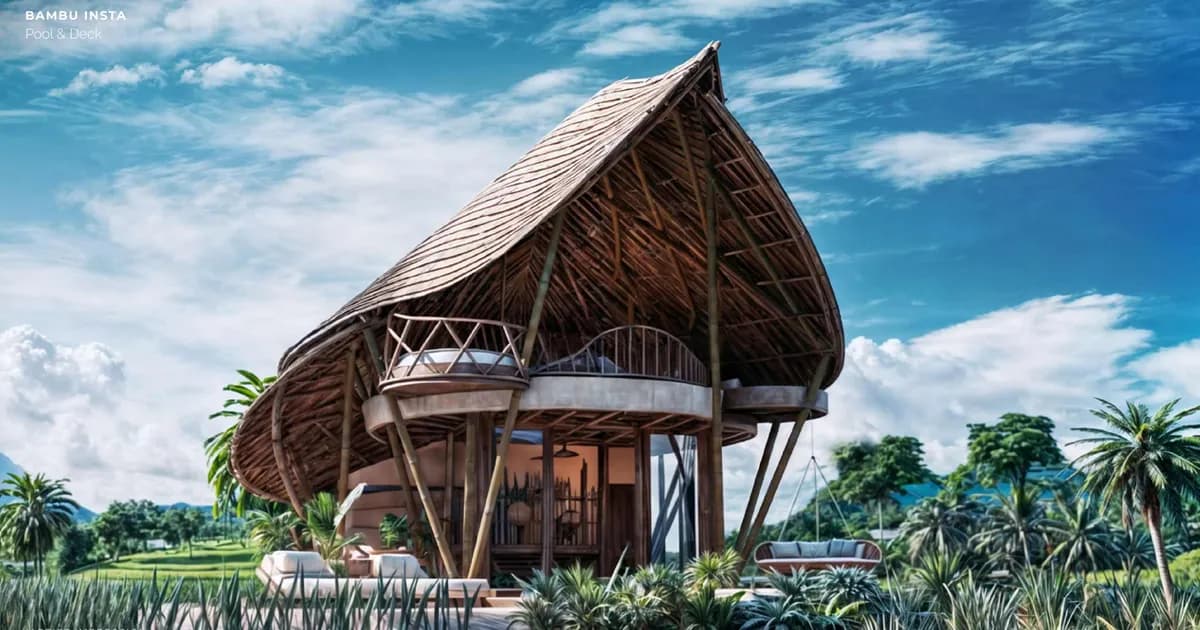
BlogLooking for a Bali Investment That Feels Like Home
What if your investment could also become a place to live, work, and reconnect with nature? Basecamp Bali brings sustainable design, wellness, and everyday living together near Ubud.
 Blog
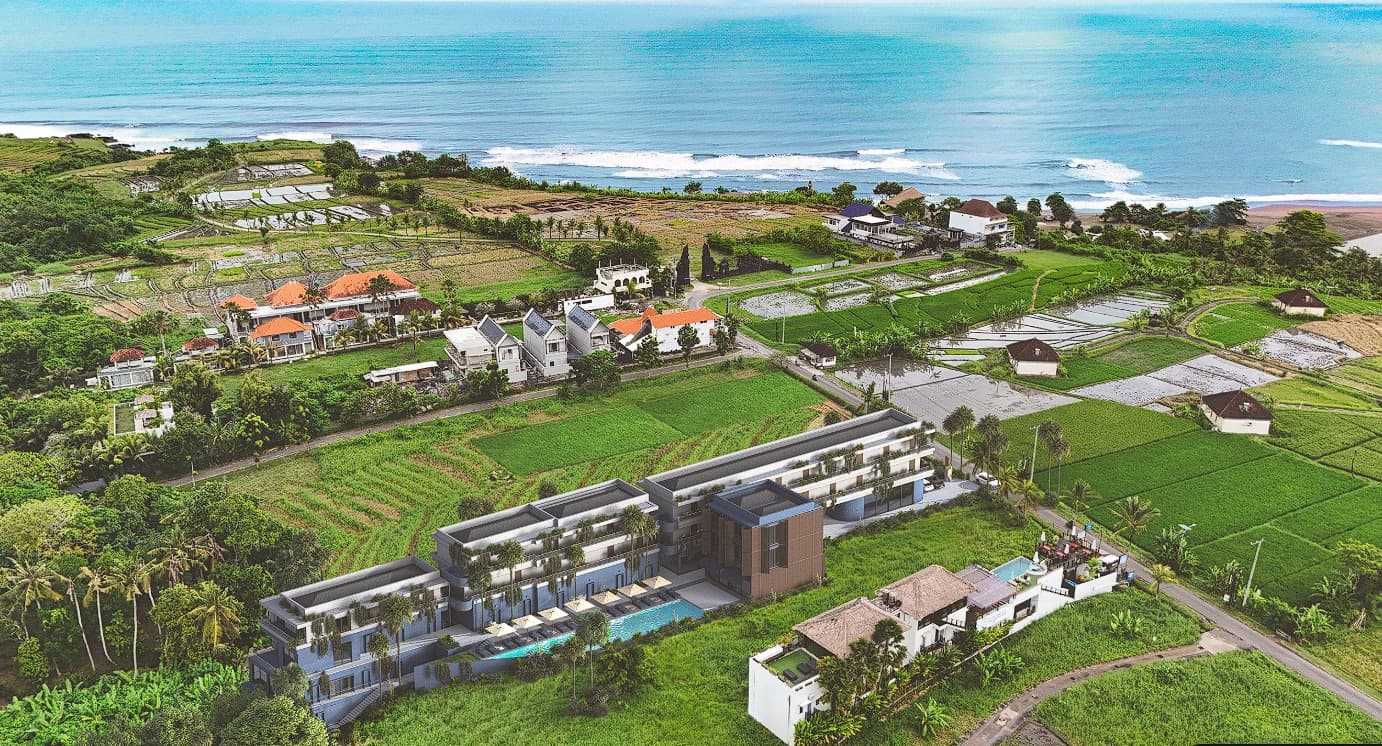
BlogBuying Land or Building in Bali: Which Creates Better Value?
Buying land or building a villa in Bali involves different costs, risks and value drivers. Compare cash flow, flexibility, depreciation and complexity before choosing.
 Blog
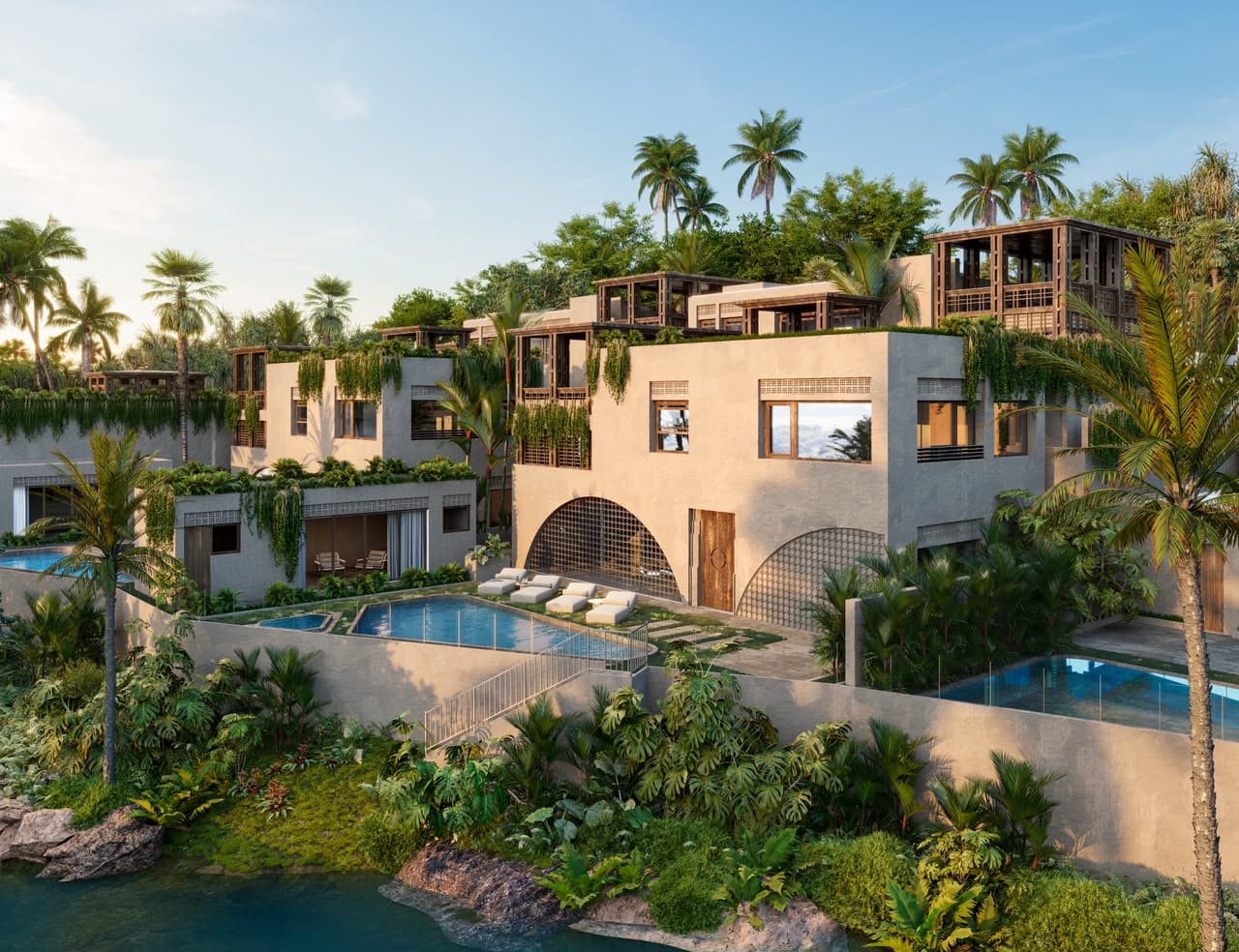
BlogWhat Are the Hidden Costs of Owning Property in Bali?
The purchase price of a Bali villa is only the beginning. Here are the recurring and future costs investors should include in a realistic ownership budget.
Rather talk through your plans in person?
Our team knows every project, every plot and every regulation. Ask your question — you'll hear back from an advisor, not a salesperson.
Get in touchor reach us on WhatsApp